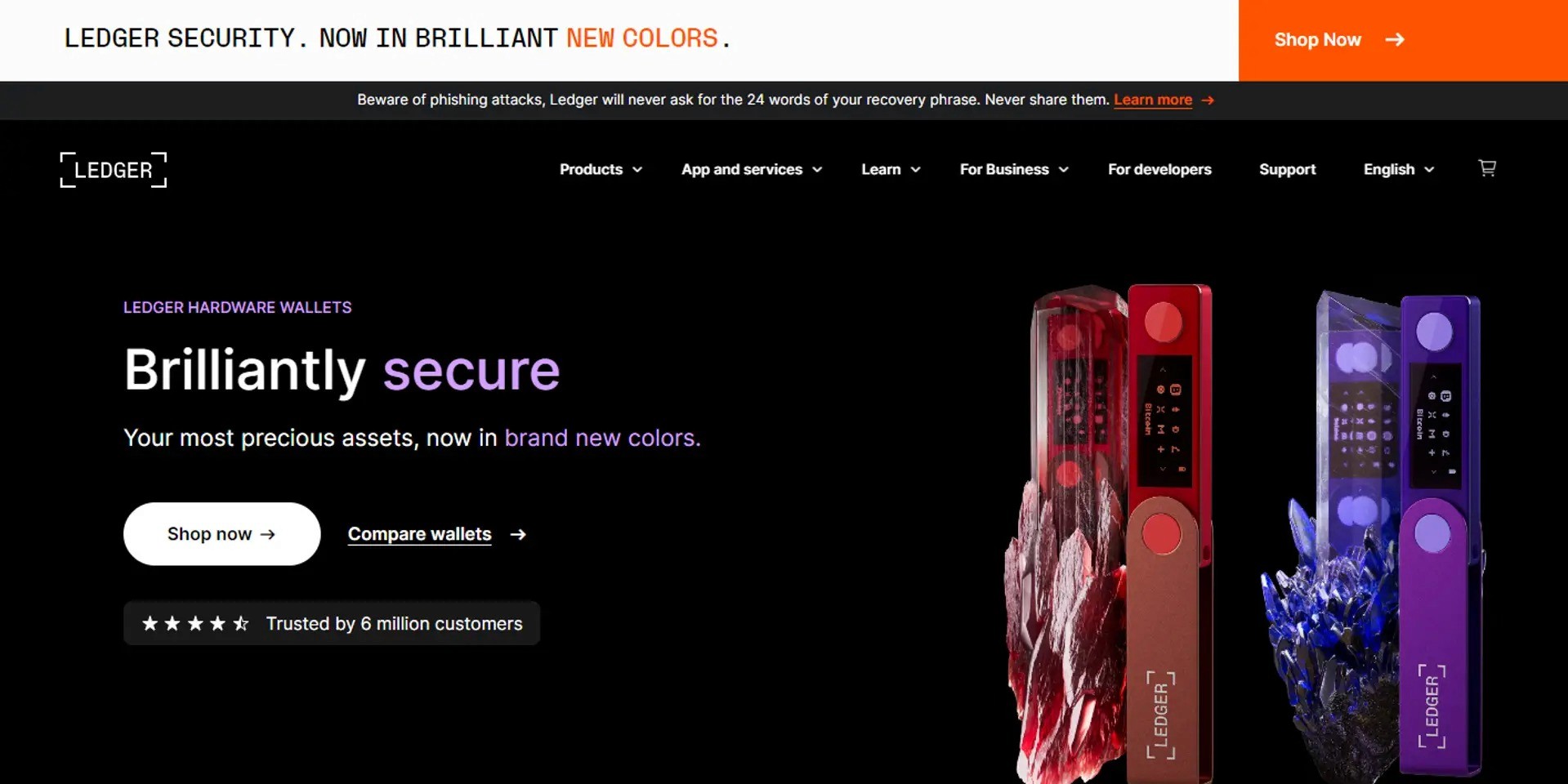
🔹 Introduction: Understanding Ledger and Ledger Live
Ledger is one of the most trusted providers of hardware wallets, designed to provide maximum security for cryptocurrencies. Unlike software wallets or exchange accounts, hardware wallets like Ledger ensure that your private keys are stored offline, protecting them from online attacks, phishing, and malware.
Ledger Live is the official companion software for Ledger hardware wallets. It serves as a secure interface for managing, sending, receiving, staking, and tracking cryptocurrency holdings. Logging into Ledger Live is the first step to safely managing your assets. Unlike conventional online platforms, Ledger login is hardware-based, ensuring that all critical operations are performed securely.
This guide will explore everything you need to know about Ledger login, how Ledger Live works, and best practices for security and asset management.
📌 What Is Ledger Login?
Ledger login is the process of accessing your cryptocurrency accounts using Ledger Live and a Ledger hardware wallet. It differs from traditional login systems in several ways:
Key Components
Hardware Device Authentication: Your Ledger wallet acts as the primary credential.
PIN Code: Set during device initialization, the PIN secures access to your hardware wallet.
Optional Ledger Live App Password: Adds an extra layer of security on your computer or mobile device.
Offline Private Keys: Transactions are signed directly on the device, meaning your private keys never leave the wallet.
This method makes Ledger login one of the safest ways to access cryptocurrency holdings, preventing unauthorized access even if your computer or smartphone is compromised.
🧭 Ledger Live Login Step-by-Step
Here’s a detailed walkthrough for logging into Ledger Live using your Ledger device:
Step 1: Install Ledger Live
Visit the official Ledger website to download Ledger Live.
Install it on your desktop (Windows, macOS, Linux) or mobile device (iOS/Android).
Step 2: Connect Your Ledger Device
Use the supplied USB cable or Bluetooth (for supported devices like Nano X).
Ensure the device is powered on and unlocked.
Step 3: Enter Your PIN
Input the PIN code created during initialization.
Correct PIN entry unlocks the device for Ledger Live authentication.
Step 4: Authenticate Ledger Live
Ledger Live will detect the connected device automatically.
Enter the optional app password if you have set one.
Step 5: Access Your Accounts
Once logged in, Ledger Live provides access to your cryptocurrency accounts, portfolio overview, transaction history, staking options, and blockchain apps.
Note: Ledger Live login is device-based. No online username or password is required, and private keys remain fully offline.
💻 Features of Ledger Live
Ledger Live is much more than a login portal. It provides a full suite of cryptocurrency management tools:
1. Portfolio Dashboard
View total portfolio value.
Monitor individual coin balances.
Track performance using real-time charts and metrics.
2. Sending and Receiving Crypto
Send: Enter the recipient address and amount, confirm directly on your device to prevent fraud.
Receive: Generate a receiving address and verify it on your device to ensure it hasn’t been tampered with.
3. Staking Cryptocurrencies
Stake supported coins like Tezos, Polkadot, or Ethereum.
Earn rewards while keeping private keys secure on the device.
4. Blockchain App Management
Install blockchain apps required for different cryptocurrencies.
Each coin requires a separate app for sending, receiving, and staking.
5. Buying, Selling, and Swapping
Purchase cryptocurrencies directly within Ledger Live (where supported).
Swap coins safely without exposing private keys online.
🔒 Security Practices for Ledger Login
Even though Ledger Live is highly secure, user practices are critical to maintain maximum protection:
1. Use Official Sources Only
Download Ledger Live only from Ledger.com or verified app stores.
2. Never Share Recovery Phrase
Ledger Live never asks for your 24-word recovery phrase.
Sharing your phrase grants full access to anyone.
3. Confirm Transactions on Device
Always verify transaction details physically on your Ledger device.
4. Set a Strong App Password
Protect Ledger Live with a password on your computer or phone.
5. Keep Firmware and Software Updated
Regular updates ensure protection against vulnerabilities and support for new cryptocurrencies.
⚠️ Common Ledger Login Issues and Solutions
1. Device Not Detected
Check USB or Bluetooth connection.
Restart Ledger Live.
Ensure the device is powered on.
2. PIN Entry Fails
Verify that you are entering the correct PIN.
Too many incorrect attempts temporarily lock the device.
3. Forgotten App Password
Reset Ledger Live if necessary. Funds remain safe because they are secured on the hardware wallet.
4. Ledger Live Freezing or Loading Slowly
Restart the app.
Update firmware and the Ledger Live software.
5. Recovery Phrase Recovery
If the device is lost, restore your wallet on a new Ledger device using the 24-word recovery phrase.
💡 Advanced Ledger Live Tips
1. Manage Multiple Devices
Ledger Live supports managing multiple Ledger wallets from one application.
2. Account Labeling
Assign custom names to accounts for easier tracking.
3. Enable Notifications
Receive real-time alerts for incoming and outgoing transactions.
4. Backup Strategies
Keep multiple secure physical copies of your recovery phrase in separate locations.
5. Offline Mode
Perform certain tasks offline to reduce exposure to online threats.
📊 Ledger Login and Cryptocurrency Security
Ledger Live login, combined with a Ledger hardware wallet, provides one of the most secure methods of cryptocurrency management:
Private keys never leave the device.
Physical confirmation of transactions prevents malware interference.
Recovery using a seed phrase protects against device loss or damage.
Compared to online wallets or exchange accounts, Ledger Live ensures maximum control and security for your digital assets.
📌 Conclusion: Ledger Login and Asset Management
Ledger login is device-based, secure, and essential for safe cryptocurrency management.
Key Takeaways
Login relies on hardware authentication and optional Ledger Live app password.
Private keys remain offline, ensuring maximum security.
Transactions require confirmation on the device to prevent fraud.
Ledger Live supports portfolio management, sending/receiving crypto, staking, swapping, and app installation.
Following security best practices, such as verifying transactions, protecting recovery phrases, and keeping software updated, is critical.
Ledger Live is more than an interface—it is the gateway to secure and efficient cryptocurrency management. By understanding how Ledger login works and applying best practices, users can safely manage digital assets with confidence.